


Loading lessons…
Loading lessons…
Curated lessons across 8 learning paths — from first concepts to trial summaries and practical protocols. Pick your level, follow the curriculum, and build real understanding.
Where are you starting?
Choose a learning path below or search the library. Progress saves in your browser.
Prefer timeline chaos? Peptide X Quiz · Literacy certify
Pick a track — progress rings update as you complete lessons.
68 lessons
 8m
8mGLOW is a three-peptide blend: BPC-157, TB-500 and GHK-Cu. Here's what's in a vial, how much of each component is in every draw, how it differs from KLOW and Wolverine, and what the evidence does and doesn't show.
8m"Wolverine" is a nickname for BPC-157 plus TB-500. Here's what's in the blend, how the vial math works, how it compares with GLOW and KLOW, and how thin the human evidence still is.
 8m
8mKLOW is a top PeptIQ page and a top search query. This guide ranks blend options, explains GLOW, and points to the deep dosing pages for each component.
 7m
7mPCAC recommended BPC-157, KPV, TB-500, MOTS-c, Semax, and Epitalon for 503A compounding. The unresolved fight is what happens while FDA completes rulemaking.
 8m
8mThe loudest peptide stories are moving at different speeds. PCAC recommendations await FDA action, oral GLP-1 access is real, and the next obesity programs still have filing or review milestones ahead.
 10m
10mMost BPC-157 dose threads treat forum tables as fact. This guide separates published animal and limited human data from observational ranges people log, without turning either into a protocol.
 9m
9mTissue repair is not a side topic anymore. It is one of the clearest signals in peptide research, from wound care to training recovery.
 8m
8mBPC-157 is still a research compound, but the advisory review makes one thing clear: access, sourcing, and evidence quality now matter as much as the mechanism.
 10m
10mThis week’s signal is less about hype and more about discipline. The compounds matter, but the outcome depends on what you track when appetite, recovery, and tissue repair start to change.
 10m
10mThe latest sports medicine review is useful because it separates promising recovery biology from the human evidence gap and the antidoping risks.
 9m
9mThe newest peptide research batch is less about hype and more about the questions each compound answers. Retatrutide, tesamorelin, BPC-157, GHK-Cu, and MOTS-C all point at different tracking priorities.
 8m
8mThe new peptide conversation is not just about appetite and fat loss. Recovery, tissue quality, and mitochondrial support are becoming the real filters.
 9m
9mThe latest peptide research wave is less about hype and more about what survives real-world tracking. Here is the practical read on retatrutide, BPC-157, MOTS-c, and GHK-Cu.
 8m
8mThe regulatory story matters because it changes what you can trust, what you should track, and why supply chain quality now sits beside mechanism in the BPC-157 debate.
 8m
8mBPC-157 has a real research footprint, but most of the confidence in the compound still comes from preclinical work. That gap matters when people start talking about safety like the answer is settled.
 9m
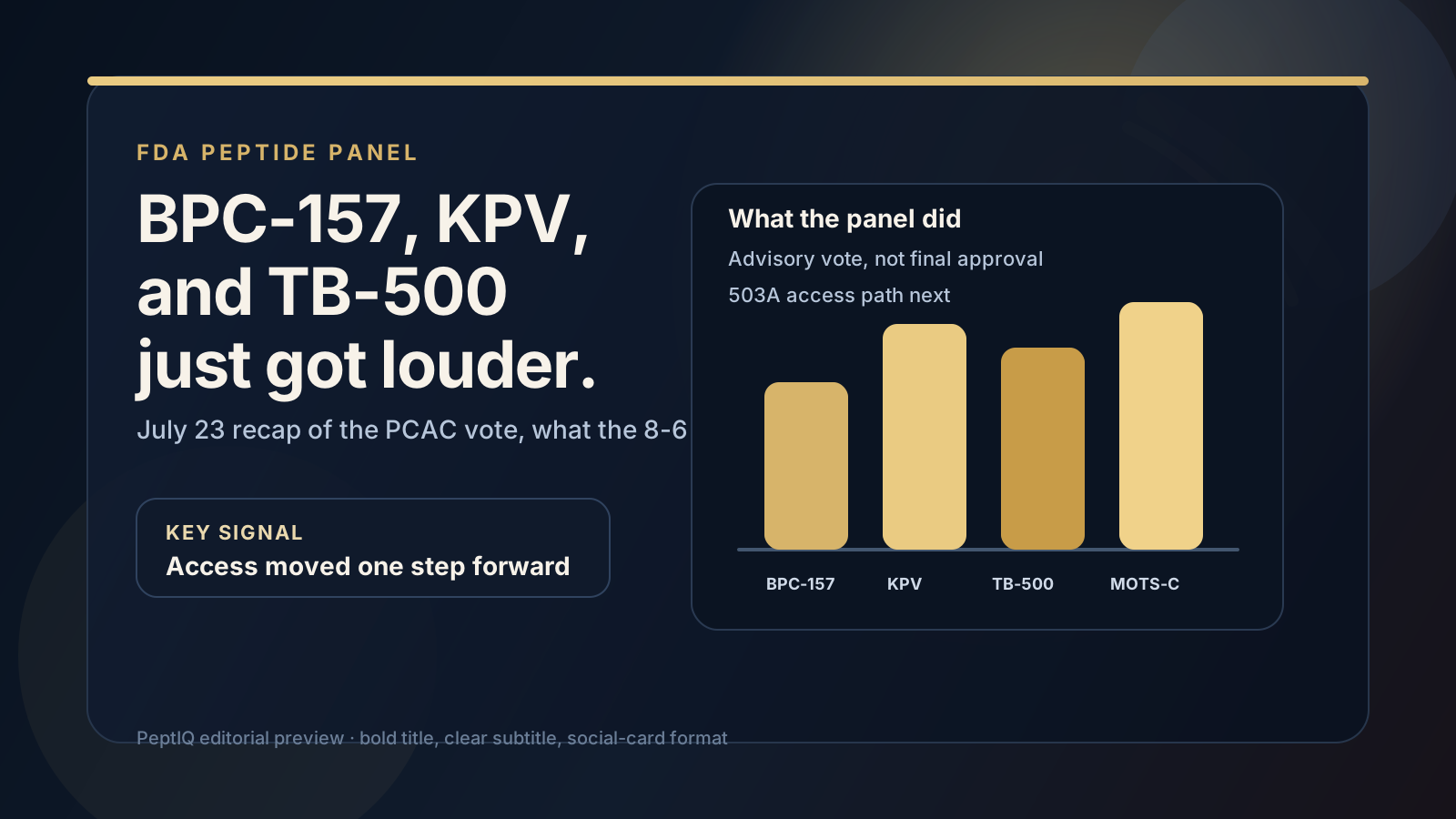
9mThe FDA's peptide panel made its first moves on BPC-157, KPV, and TB-500. The vote matters, but the real story is what it changes next and what still has to happen before compounding pharmacies see any relief.
 9m
9mThe new BPC-157 review is useful because it separates mechanism from marketing. The peptide looks biologically interesting, but the human evidence is still thin.
 10m
10mPet owners are hearing more about BPC-157 and TB-500 for recovery. This guide separates the real biology from the social-media hype and shows what actually matters for healing.
 9m
9mThe peptide conversation is crowded. The useful question is which signals keep showing up in the data and which ones are still mostly hype.
 8m
8mThe peptide space is loud. This snapshot cuts through the noise and focuses on the compounds that still have real biology behind them.
 10m
10mThe most useful peptide research is not the loudest. It is the stuff that changes the question from 'does it work?' to 'who does it help, for what outcome, and with what tradeoffs?'
 8m
8mRegulation does not settle the peptide debate by itself. It forces clearer questions about sourcing, safety, evidence, and who is responsible when claims move faster than data.
 12m
12mRetatrutide dominates H1 logging, the Wolverine stack is real, and quick-log onboarding predicts who actually tracks. Our first semi-annual data report from thousands of real peptide logs.
 8m
8mPeptide research is moving fast. Here is how to read the evidence before turning a headline, mechanism, or social post into a protocol.
 8m
8mNew 2026 data puts BPC-157 into a sharper recovery frame: oxidative stress, inflammation, apoptosis, angiogenesis, and the limits of animal evidence.
 8m
8mThe July 2026 FDA peptide review is important, but it is not an approval event. Here is how to track the meeting, sourcing changes, and protocol decisions without confusing policy movement with clinical proof.
 8m
8mGLP-1 receptor agonists cause nausea in up to 44% of users and it is the top reason for discontinuation. Here is what the research shows about BPC-157 as a potential gut protectant, and where the evidence stops.
 7m
7mTwo 2026 peer-reviewed reviews in Sports Medicine and JAAOS now formally catalog BPC-157, TB-500, GHK-Cu, CJC-1295, and Ipamorelin stacks. Here is what the science actually shows — and where the gaps still are.
 7m
7mAfter 30+ years of animal research and 212 preclinical studies, BPC-157 has entered its first Phase 2 human trial. Here's what it will test, what it won't prove, and what to track.
 7m
7mAMA and FDA updates make one thing clear: peptide interest is moving faster than human evidence, dosing standards, and product-quality controls. Use this checklist before trusting a vial.
 8m
8mStack stories spread fast because they are visual and emotional. The smarter move is not to copy the protocol. It is to ask better evidence questions.
 8m
8mBPC-157 finally has a registered human sports-injury study. The signal is important, but it is not proof yet. Here is how to read the trial without the hype.
 8m
8mA new ECRI and ISMP warning says popular wellness peptides are being marketed faster than the evidence can support. Here is how to separate compound science from product risk.
 8m
8mHealth Canada's 2026 public advisory names unauthorized injectable peptides sold online and explains why product quality, legal status, and medical supervision matter.
 8m
8mA new sports medicine review puts injury-recovery peptides in context. Some mechanisms are promising, but human evidence, safety data, and regulatory status still matter.
 7m
7mEDS changes the safety conversation around peptides. GHK-Cu, BPC-157, and TB-500 are discussed for tissue support, but EDS plus cardiac history should stay clinician-led.
 9m
9mA torn meniscus and Baker cyst — both resolved without surgery. This Reddit case report shows what BPC-157 and TB-500 can do for knee injuries. But the clinical picture is more complicated than a success story.
 8m
8mYou got your first peptide vials and now you are staring at two bottles of powder and a box of needles. Here is exactly how to mix BPC-157 and TB-500 without overthinking it.
 11m
11mBPC-157 and TB-500 are the most researched peptides for connective tissue repair—but combining them requires understanding their different mechanisms. Here's the complete stacking protocol based on actual user experience.
 8m
8mThe FDA's April 2026 announcement removed 12 peptides from Category 2 restrictions — the biggest regulatory shift in years. BPC-157, TB-500, MOTS-C, GHK-Cu, and Semax are among those affected. Here's what it actually means for your access.
 8m
8mSeven FDA warning letters in April 2026 show regulators are paying closer attention to online peptide sellers, especially research-use-only marketing that looks like consumer health claims.
 9m
9mPsoriasis affects 125 million people worldwide. While peptides aren't a cure, emerging research suggests certain compounds may help calm inflammation and support skin repair. Here's what the science says.
 9m
9mAfter years of FDA crackdowns on research peptides, a significant regulatory reversal in 2026 has changed the landscape for BPC-157, TB-500, and MOTS-C. Here's what actually happened and what it means for you.
 7m
7mPeptide therapy searches on TikTok jumped 459% in early 2026. Here's what's driving the explosion, which peptides are trending, and what you need to know before you start.
 9m
9mThe FDA's April 15, 2026 reclassification of 12 research peptides marks the most significant regulatory shift in the space since the 2023 compounding crackdown. Here's a breakdown of the affected compounds, the new compliance landscape, and how to think about your protocol going forward.
 10m
10mAn FDA advisory panel scheduled for July 2026 could reshape access to 12 peptides — including BPC-157, MOTS-C, and GHK-Cu. Here's what's on the table, what reclassification would mean in practice, and how to prepare for either outcome.
 11m
11mKLOW combines BPC-157, TB-500, and GHK-Cu into a single injection. Convenient for maintenance — but knowing when to switch to separate vials can make the difference between results and stalled recovery.
 9m
9m87.5% of patients with chronic knee pain reported significant relief after BPC-157 treatment at the 6–12 month follow-up. Here's a breakdown of the human trial data, the dosing protocol used, and why this peptide is getting serious clinical attention.
 10m
10mBPC-157 and TB-500 are the two most evidence-backed peptides for structural tissue repair. For herniated disc recovery, they work through complementary pathways — here's how to stack them, dose them, and phase in the rest of a recovery protocol.
 10m
10mMost peptide guides are written with a 35-year-old man in mind. If you're a woman in your 40s or 50s lifting hard and trying to recomp, the stack looks different. Here's what the research actually supports.
 9m
9mIGF-1 LR3 is one of the most potent muscle-building peptides available — but it's also one of the most commonly misdosed. Here's how to actually run it.
 9m
9mAfter years of regulatory limbo, BPC-157 is at the center of a major policy battle. The RFK Jr.-led HHS push to reclassify it as Category 1 could restore legal compounding access—or the FDA could dig in. Here's where things stand.
 7m
7mMOTS-C is one of the most studied mitochondrial peptides for metabolic health and longevity. This guide covers dosing ranges, frequency, timing, stacking options, and what to track on protocol.
 6m
6mOne of the most common beginner questions: can you draw multiple peptides into the same syringe? The answer depends on the combination. Here's the complete guide.
 9m
9mA potential FDA regulatory shift on 14 compounded peptides — including BPC-157 and TB-500 — could reshape who gets access to peptide therapy and how. Here's what the current signals actually mean.
 8m
8mNAD+ and peptides like BPC-157, MOTS-C, and KLOW work through completely different pathways — which is exactly why they stack well. Here's how to combine them safely and effectively.
 10m
10mThe largest systematic review of BPC-157 to date analyzed 36 studies and confirmed consistent healing outcomes across tendons, ligaments, bone, and muscle tissue. Here's what the data shows.
 10m
10mThe biggest risk with GLP-1 weight loss drugs isn't the fat loss — it's the muscle you lose with it. Strategic peptide stacking can tip the balance toward true body recomposition.
 8m
8mReconstituting peptides is simpler than it looks. This guide walks you through every step — from choosing the right BAC water volume to calculating units on your insulin syringe.
 11m
11mBPC-157 activates multiple tissue repair pathways simultaneously. Users report faster recovery from injury, improved gut healing, enhanced joint mobility—backed by published clinical data.
 9m
9mBPC-157 accelerates tissue repair by stimulating angiogenesis and collagen synthesis. Here's what the research shows and what users need to know.
 14m
14mThe peptide space is shifting from weight loss toward longevity. Explore the science behind peptides designed to slow aging, repair cellular damage, and extend healthspan.
 10m
10mBPC-157 is showing remarkable promise in clinical research for rapid tissue regeneration. Learn how this pentapeptide works, what the data shows, and whether it's right for your recovery protocol.
 12m
12mBPC-157 shows promise in clinical research for accelerating tendon repair and recovery. Learn how this peptide works and what the science says about its efficacy.
 12m
12mBPC-157 is the most versatile healing peptide available. Here's how it works and how to use it effectively.
 18m
18mFrom BPC-157 and GLP-1 agonists at the top to overhyped flops at the bottom — here's every major peptide ranked for 2026 across fat loss, skin, longevity, and recovery.
 12m
12mExplore the healing peptide BPC-157, nicknamed the 'Wolverine peptide' for its remarkable regenerative properties.
 10m
10mDiscover how TB-500 promotes tissue repair, reduces inflammation, and supports recovery from injuries.
Also available at /blog for legacy links.