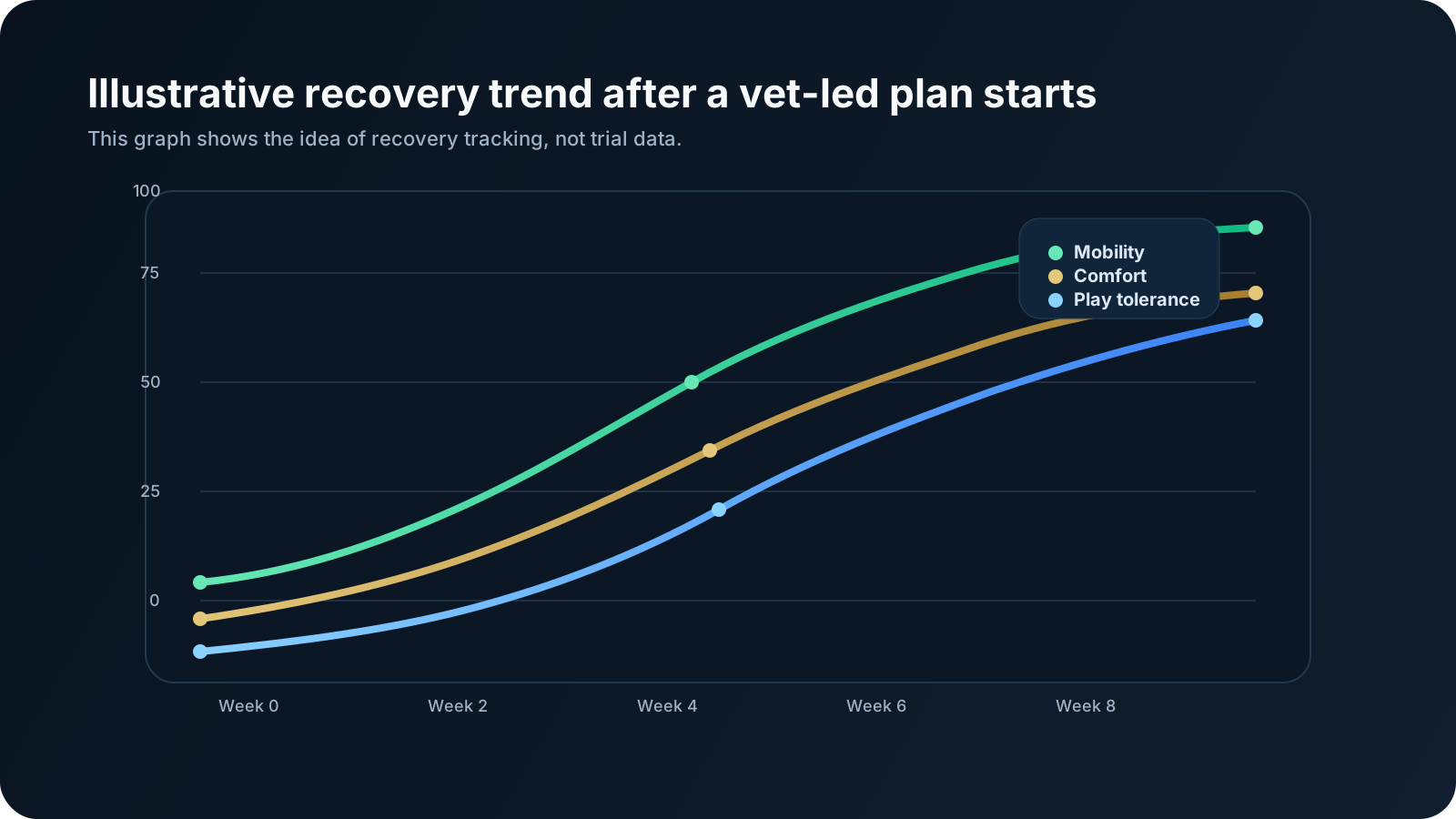


# BPC-157 and TB-500 for Pet Recovery: What Dog and Cat Owners Should Know
> Note: PeptIQ is not a veterinary practice. This article is educational only. If your pet is injured, in pain, or recovering from surgery, work with a licensed veterinarian before changing anything.
The pet peptide conversation is getting louder because owners want the same thing they want for themselves: faster recovery, less pain, and a cleaner return to normal life.
That impulse makes sense. A limping dog or a cat that has stopped jumping does not need hype. It needs a real recovery plan.
The problem is that the internet often skips straight to the molecule and leaves out the part that decides whether healing actually happens: diagnosis, rest, pain control, rehab, body weight, and time.
That is where BPC-157 and TB-500 enter the conversation.
Why Pet Recovery Is The Real Story
Most pet owners do not care about peptides in the abstract. They care because their animal has one of a few common problems:
- A soft tissue strain that keeps coming back
- A tendon or ligament injury that heals slowly
- Post-op recovery after orthopedic work
- Age-related stiffness that makes stairs, jumps, or play harder
- Gut stress or appetite changes after illness or medication
Those are recovery problems first. Peptide problems second.
If a compound does not fit inside a sensible recovery plan, it is not a solution. It is a distraction.
What BPC-157 And TB-500 Are Usually Discussed For
BPC-157 and TB-500 get paired because people think of them as complementary tools.
| Compound | Usual recovery conversation | Why people bring it up | Big caution |
|---|---|---|---|
| BPC-157 | Local tissue repair, tendon support, gut stress | Owners want help for stubborn soft tissue problems | Most of the strong data is preclinical |
| TB-500 | Cell migration and tissue remodeling | People want broader recovery support | Veterinary evidence is still thin |
| Rehab basics | Rest, pain control, rehab, body composition | This is what makes healing durable | It takes longer than a social post |
BPC-157 is usually framed as the more local repair signal. TB-500 is usually framed as the broader remodeling signal.
That is a clean story. Real biology is messier, but the framing helps.
What The Science Actually Looks Like
Here is the honest version:
- BPC-157 has a large amount of animal data around tissue repair, inflammation, and recovery-related pathways.
- TB-500 is tied to thymosin beta-4 biology, which is relevant to cell movement and wound repair.
- Companion-animal data and formal veterinary trials are not nearly as abundant as the internet sometimes implies.
That does not make the compounds meaningless.
It means the evidence stack is uneven. The signal is interesting. The certainty is not.
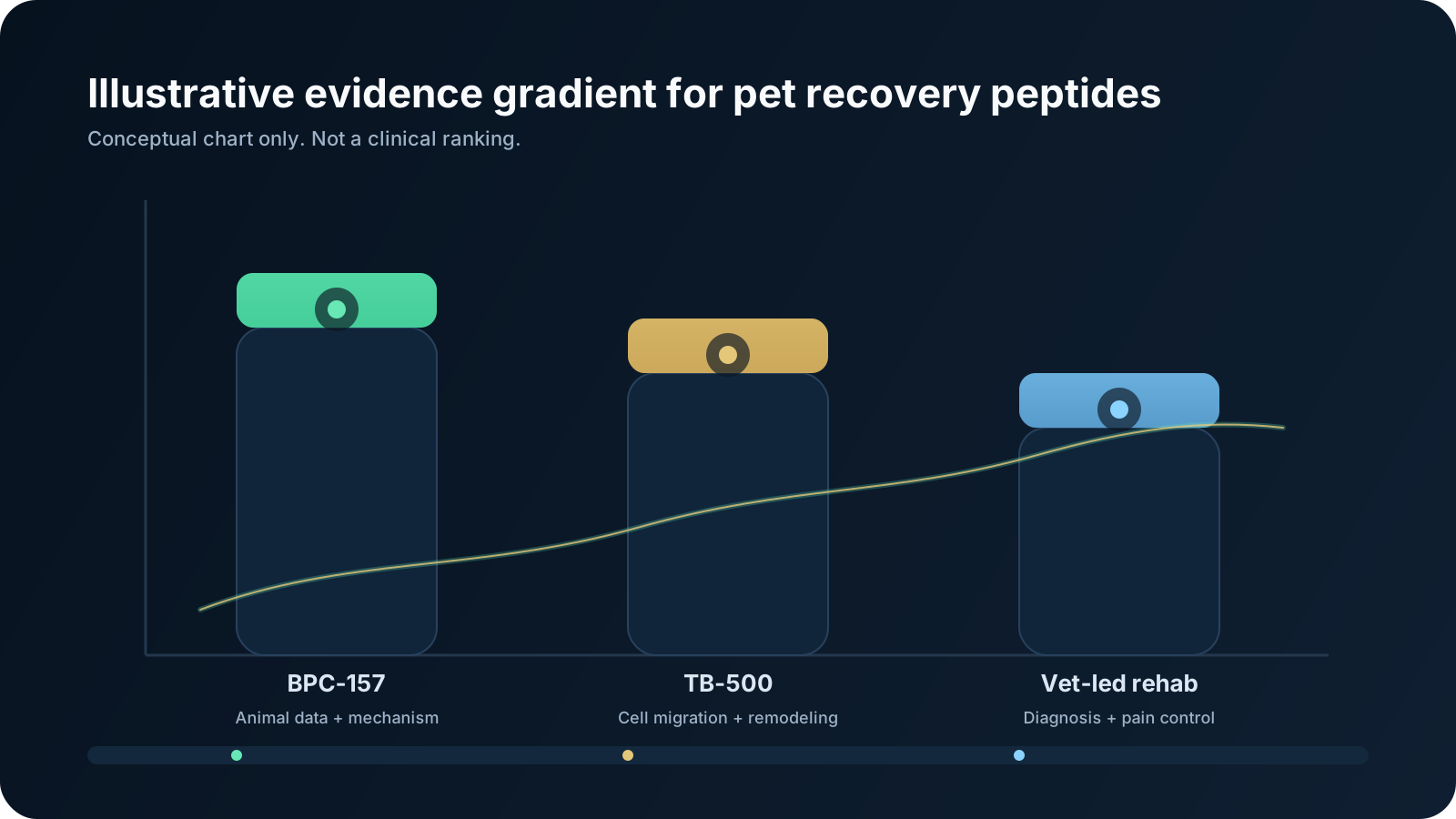
The chart above is conceptual, not a clinical ranking. It is there to show how people should think about the evidence: animal data first, veterinary discussion second, and certainty last.
What A Good Recovery Plan Still Needs
Before anyone starts chasing peptides, the basics need to be right.
- A real diagnosis from a veterinarian
- Pain control that the animal can tolerate
- Activity management so the injury is not re-aggravated
- Rehab work that matches the tissue and the timeline
- Weight management if excess load is slowing recovery
- Enough protein, sleep, and calm environment to support healing
That list is boring. It also matters more than the trend cycle.
If those pieces are broken, a peptide will not rescue the plan.
Where BPC-157 May Fit
If a veterinarian is already discussing a recovery strategy, BPC-157 is the compound that usually gets attention when the goal is local support for soft tissue repair.
That tends to come up in conversations about:
- Tendon and ligament strain
- Overuse injuries
- Post-op tissue recovery
- Gut stress during illness or medication recovery
That does not mean it should be used casually.