


Loading lessons…
Loading lessons…
Curated lessons across 8 learning paths — from first concepts to trial summaries and practical protocols. Pick your level, follow the curriculum, and build real understanding.
Where are you starting?
Choose a learning path below or search the library. Progress saves in your browser.
Prefer timeline chaos? Peptide X Quiz · Literacy certify
Pick a track — progress rings update as you complete lessons.
4 lessons
 9m
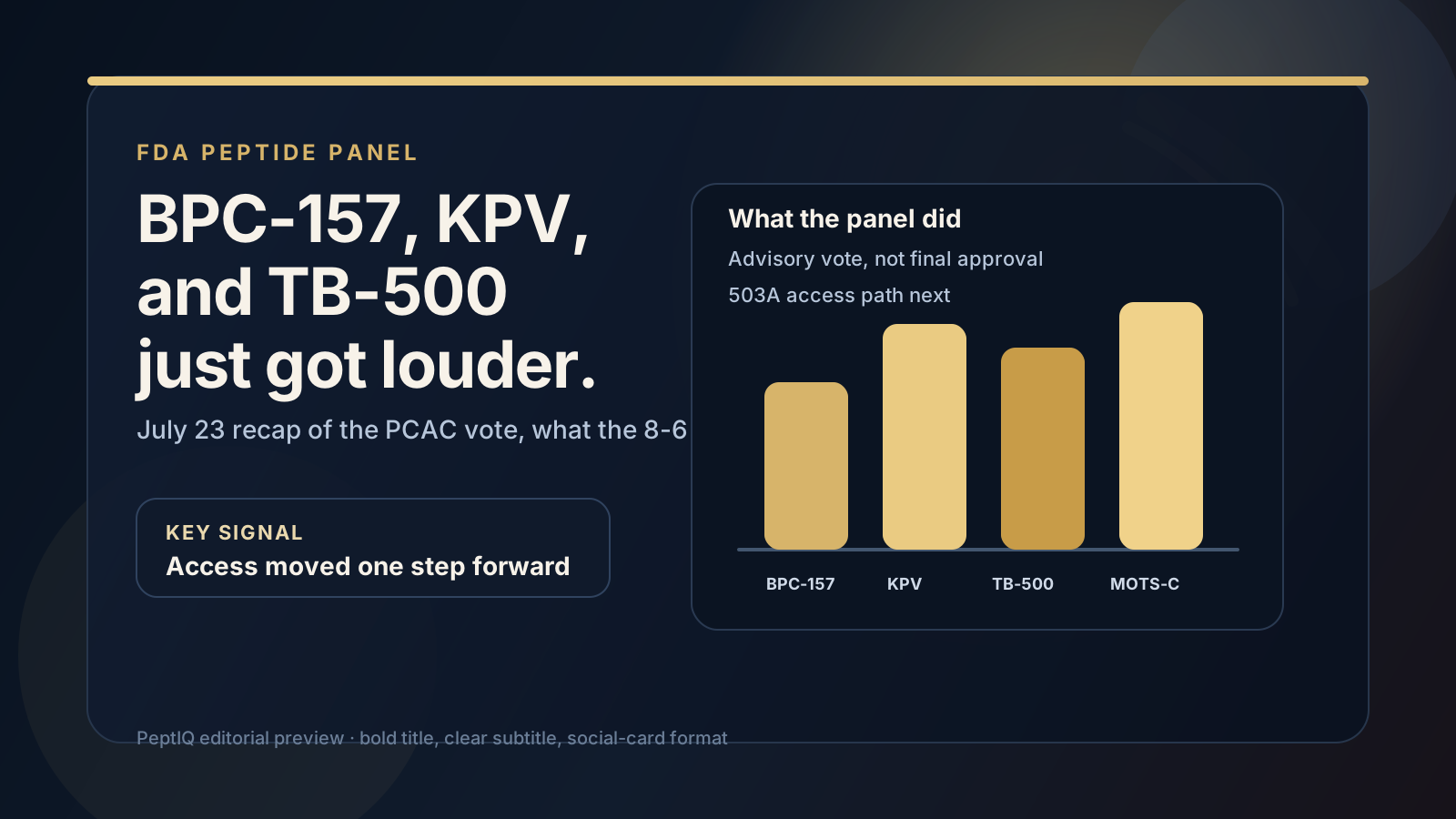
9mThe FDA's peptide panel made its first moves on BPC-157, KPV, and TB-500. The vote matters, but the real story is what it changes next and what still has to happen before compounding pharmacies see any relief.
 7m
7mThe biggest peptide trend in 2026 may not be a molecule. It may be oversight, sourcing quality, and the ability to separate evidence from marketing.
 9m
9mAfter years of FDA crackdowns on research peptides, a significant regulatory reversal in 2026 has changed the landscape for BPC-157, TB-500, and MOTS-C. Here's what actually happened and what it means for you.
 9m
9mThe FDA's April 15, 2026 reclassification of 12 research peptides marks the most significant regulatory shift in the space since the 2023 compounding crackdown. Here's a breakdown of the affected compounds, the new compliance landscape, and how to think about your protocol going forward.
Also available at /blog for legacy links.