# GLP-1 Muscle Preservation: How to Keep Lean Mass While Losing Fat in 2026
GLP-1 therapy can change body weight fast. That is the appeal. Appetite drops, food noise quiets down, and the scale starts moving.
The part people miss is that faster weight loss can expose a new problem: if appetite is too low, protein drops, training slips, and lean mass starts to move in the wrong direction.
That is why the most useful question is not "How much weight did I lose?" It is "What did I lose?"
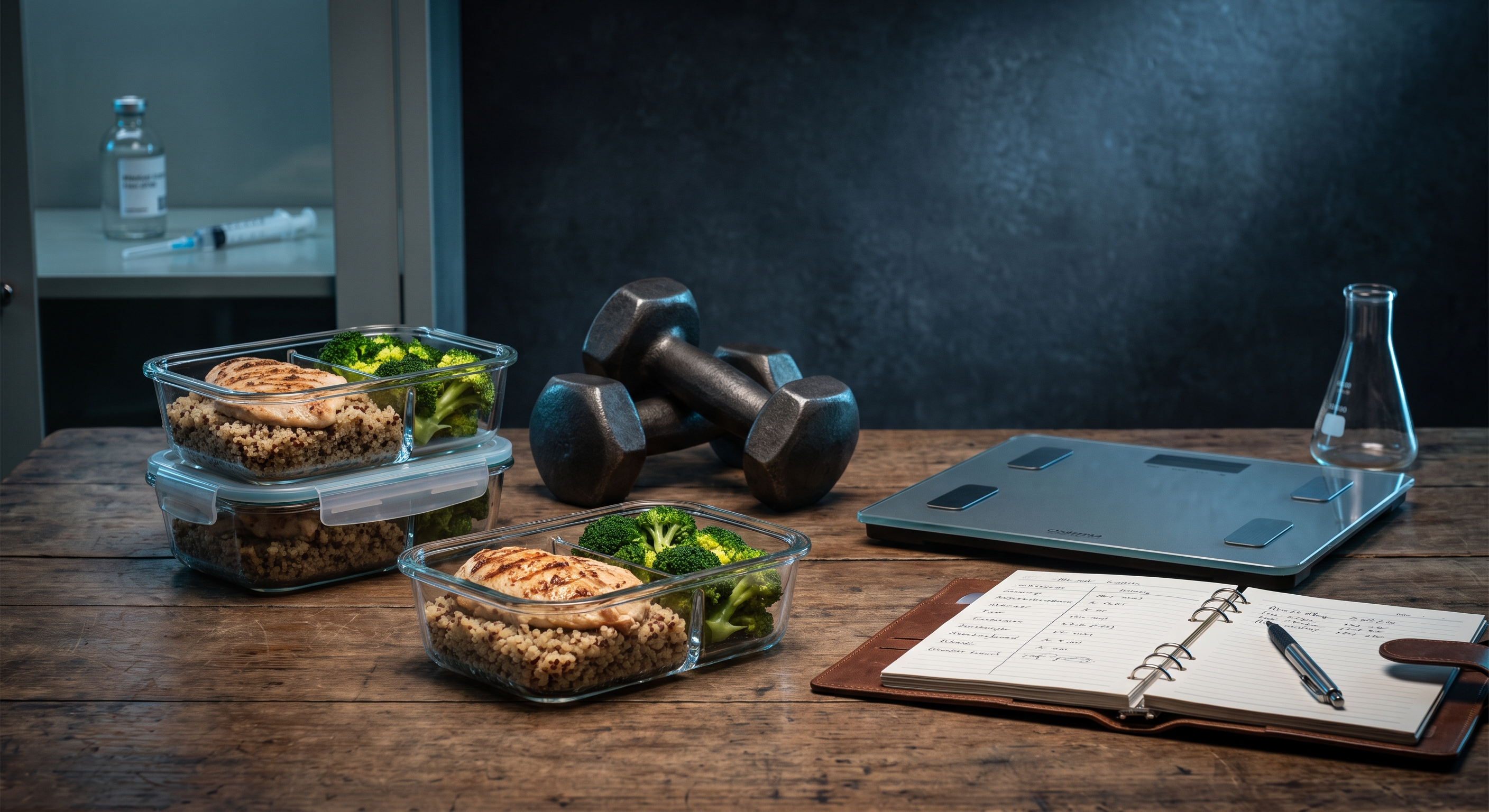
Why Muscle Loss Shows Up
GLP-1s do not magically delete muscle. The issue is usually the diet pattern that follows them.
When appetite gets suppressed, a few predictable things happen:
- Meals get smaller
- Protein intake gets inconsistent
- Resistance training gets skipped or watered down
- Hydration and electrolytes fall
- The scale keeps improving while strength quietly slides
That is how lean mass loss sneaks in. It is not dramatic at first. It shows up in the bar speed, the pump, recovery time, and how often you feel flat in the gym.
The Goal Is Not Zero Lean Mass Change
Some lean mass change is normal during weight loss. Lean mass includes muscle, water, connective tissue, and other non-fat tissue, so it never behaves like a pure body-fat meter.
The real goal is better body composition:
- More fat loss
- Less strength loss
- Better waist-to-weight change
- Better recovery
- Better long-term maintenance
If the scale falls but strength collapses, the plan needs work.
Protein Is the First Line of Defense
This is the simplest place to start, and the place most people underestimate.
You cannot preserve much lean mass on autopilot if your appetite is cut in half and protein is treated like an afterthought.
A practical target for many adults is 1.6 to 2.2 grams of protein per kilogram of goal body weight per day, adjusted for medical history and clinician guidance.
Useful habits:
- Put protein first at every meal
- Split intake into three or four feedings
- Keep a few low-friction foods around for low-appetite days
- Recheck protein after dose increases
- Use shakes when solid food feels like a chore
If the appetite signal is weak, structure has to replace it.
Resistance Training Sends the Body a Clear Message
The body does not keep muscle because you hope it will. It keeps muscle when it has a reason to.
Resistance training is that reason.
Two to four sessions per week is enough for many people if the work is consistent and progressive. You do not need a perfect split. You need repeated exposure to load.
Keep the basics simple:
- Squat or leg press
- Hinge pattern
- Push
- Pull
- Carry or core work
Track the lifts. If the numbers fall for weeks, that is a signal, not a vibe.
Rate of Loss Matters
The faster the loss, the harder it is to preserve lean mass.
That does not mean GLP-1s are the problem. It means the deficit may be too aggressive for the current protein intake and training load.
If strength is dropping, appetite is unstable, and recovery is poor, the answer is often boring:
- Hold the dose longer
- Increase protein
- Train a little less randomly
- Add fluids and electrolytes
- Slow the pace of loss
The best body-composition result usually looks less dramatic in week three and much better in month three.
What PeptIQ Should Track
This is where the app becomes more than a weight log.
Track:
- Injection day and dose
- Appetite and food noise
- Daily protein
- Training sessions
- Strength trends
- Waist measurement
- Energy, sleep, and digestion
- Body composition if you have it
That gives you a real picture of whether the protocol is trimming fat or just shrinking the whole system.
Where Retatrutide Fits
Retatrutide and other next-wave metabolic peptides may shift body composition differently than first-generation GLP-1 therapy, but the fundamentals do not change.
Even if a molecule supports better lean-mass retention, it still works best when:
- Protein stays high
- Resistance training stays in place
- Weight loss stays controlled
- Recovery stays visible in the data
There is no peptide that makes poor habits disappear. There are only tools that reward better ones.
When To Pause and Reassess
If you are on a GLP-1 and notice any of these, pause and look at the protocol:
- Strength has dropped across multiple lifts
- You are missing protein targets most days
- Weight loss is faster than expected
- Fatigue is higher than the benefit justifies
- You feel smaller and softer at the same time
That is usually not a "more dose" problem. It is a "better inputs" problem.
Frequently Asked Questions
Q: Do GLP-1s cause muscle loss?
A: They can be associated with lean mass loss during rapid weight loss, but the real driver is usually under-eating, low protein, and inconsistent resistance training.
Q: What is the best way to preserve muscle on a GLP-1?
A: Keep protein high, lift consistently, avoid pushing weight loss too fast, and track strength along with body weight.
Q: Should I stop GLP-1 therapy if I lose lean mass?
A: Not automatically. First check protein, training, hydration, sleep, and the pace of loss. Then reassess with a clinician if the trend keeps getting worse.
Q: Is body weight enough to judge progress?
A: No. Weight is useful, but waist size, strength, energy, and body composition tell the fuller story.
Q: How can PeptIQ help?
A: PeptIQ gives you one place to track dosing, appetite, training, protein, and body-composition trends so you can see whether the protocol is working the way you want.
Bottom Line
GLP-1 therapy works best when fat loss does not come at the expense of strength.
If you want the best result, do not chase scale weight alone. Protect protein intake, keep lifting, slow the pace when recovery slips, and track the trend instead of guessing.
That is how you turn a weight-loss protocol into a body-composition protocol.
If you want to log dose timing, protein, workouts, and body-composition changes in one place, download the PeptIQ app.